
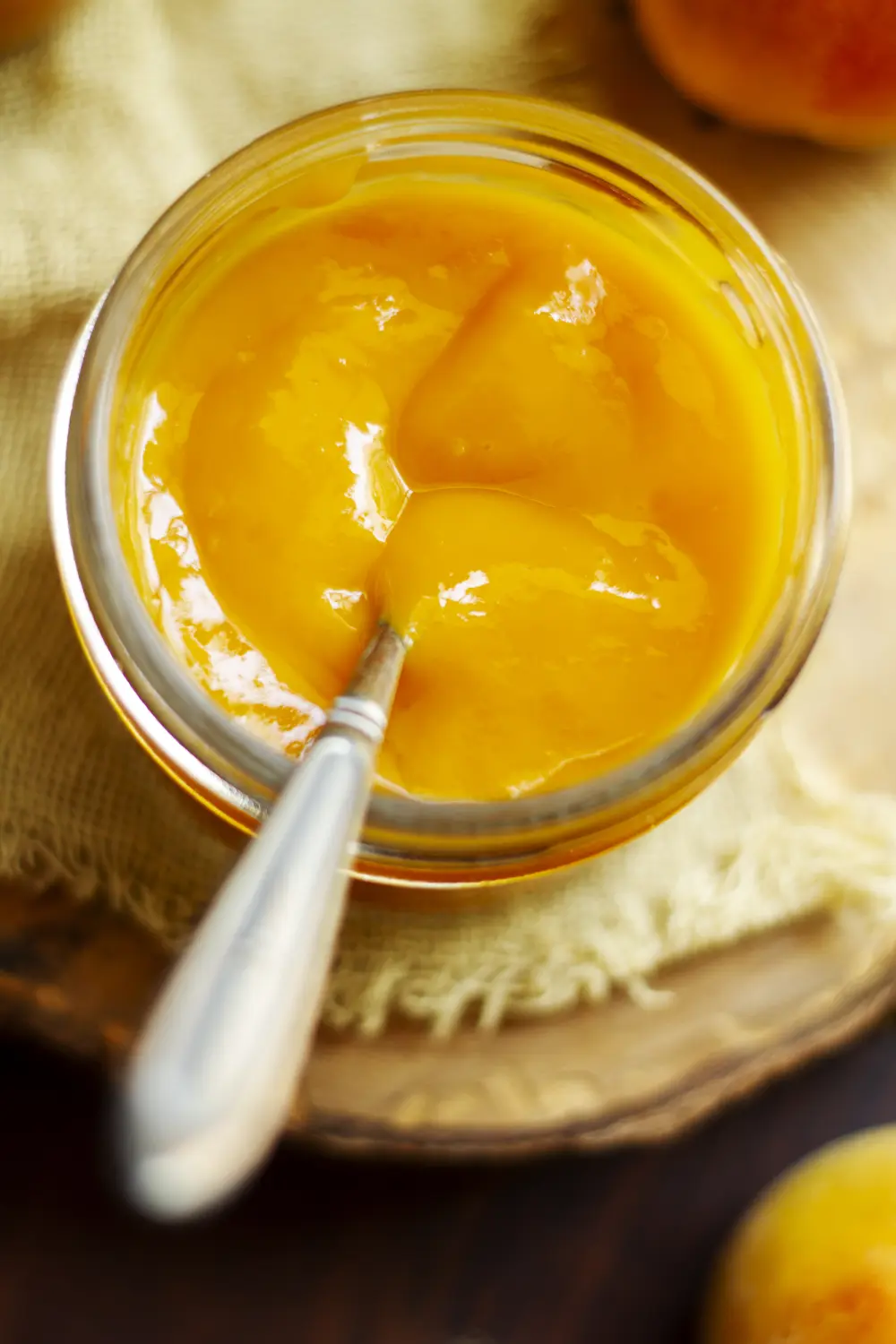
Classical Brihat Trayi Ayurveda • Medically Reviewed by Licensed Vaidyas
Ghee
Ghrita / Sarpi (घी)
Dairy / Animal ProductsVirya: Sita (Cooling)

Ghee

Botanical: N/A (Bos taurus – clarified butter from cow's milk) • Classical: Ghrita / Sarpi

Ghee, known as Ghrita in Ayurveda, is considered the most refined and therapeutically potent of all fats. A supreme rasayana and digestive enhancer, it nourishes the deepest bodily tissues, builds Ojas, and serves as an unparalleled carrier for Ayurvedic herbs and medicines.

Dosha Karma: Primarily pacifies Vata and Pitta; in small quantities it supports Kapha balance by enhancing agni (digestive fire), but excess consumption can increase Kapha and Ama, particularly in those with sluggish digestion or obesity.
Part of 1 Desi Nuskhe Formulations

Ayurvedic Energetics (Dravyaguna)

Taste (Rasa):
Madhura (Sweet)
Physical Attributes (Guna):
Snigdha (Unctuous / Oily)Mrudu (Soft)Shlakshna (Smooth)Manda (Slow-acting)Hima (Cool)
Potency (Virya):Sita (Cooling)
Post-Digestive Effect (Vipaka):Madhura (Sweet post-digestive effect)

Standard Therapeutic Dosages

Churna (Powder):N/A
Kashayam (Decoction):1–2 teaspoons (5–10 ml) taken warm, either alone or stirred into warm milk, water, or food once or twice daily

Safety & Contraindications

  • Avoid or use very sparingly in individuals with high Kapha, obesity, or hypercholesterolaemia without the guidance of a practitioner
  • Contraindicated in acute indigestion, nausea, or when Ama (undigested toxins) is heavily present in the gut – ghee taken on a compromised agni can worsen congestion
  • Use cautiously in liver disorders such as active hepatitis or severe fatty liver, where fat metabolism is impaired
  • Not suitable for those with known dairy fat intolerance or sensitivity
  • Therapeutic doses beyond culinary use should be guided by a qualified Ayurvedic practitioner, especially during Panchakarma
  • Avoid combining large quantities with honey in equal proportions – classical Ayurveda considers equal parts ghee and honey an incompatible (viruddha) combination

Botanical Monograph & Clinical Profile

Ghee (Ghrita) is clarified butter prepared by slowly simmering unsalted butter until all water evaporates and the milk solids are removed, leaving behind pure golden butterfat. In Ayurveda, it is regarded as one of the most sattvic and therapeutically valuable substances available, described in the Charaka Samhita as the best of all unctuous substances (sneha dravyas) and a premier rasayana for promoting longevity, intelligence, and vitality. Unlike butter, ghee has a very high smoke point and contains no lactose or casein, making it better tolerated by those with mild dairy sensitivities. Ayurvedic texts particularly extol the virtues of Go-Ghrita (cow's ghee), which is said to be cooling in nature, deeply nourishing, and capable of penetrating all seven dhatus (bodily tissues) to deliver nutrition and medicine to the cellular level. One of ghee's most important roles in Ayurveda is as an anupana – a carrier or vehicle that dramatically enhances the bioavailability and efficacy of herbal medicines. It is the base fat used in hundreds of classical medicated ghee preparations (Ghrita formulations) such as Brahmi Ghrita, Shatavari Ghrita, and Triphala Ghrita. Ghee is also central to Panchakarma detoxification therapies, where it is consumed in progressively increasing doses (snehapana) to loosen and mobilise deep-seated toxins (Ama) from the tissues prior to their elimination.

Documented Therapeutic Benefits

Builds Ojas – one of the finest foods for strengthening the body's core vitality, immunity, and resilience
Enhances agni (digestive fire) without aggravating Pitta, making it unique among fats in supporting digestion
Nourishes all seven dhatus, with particular affinity for the nervous system, brain, and reproductive tissues
Acts as a supreme anupana (carrier), enhancing the absorption and potency of herbs and medicines
Soothes and heals the gut lining – beneficial in gastritis, colitis, and intestinal inflammation
Supports cognitive function, memory, and mental clarity (medhya rasayana)
Lubricates joints and connective tissue, easing dryness, stiffness, and Vata-type pain
Promotes healthy, supple skin and is used topically for dryness, burns, and wound healing
Supports eye health and is used in traditional Ayurvedic eye therapies (netra tarpana)
Central to Panchakarma – used in snehapana (internal oleation) to mobilise and expel deep tissue toxins

Classical Indications (Roga Ghnata)

Vata disorders and nervous system depletion – deeply nourishing for anxiety, insomnia, exhaustion, and neurological drynessPitta disorders and inflammatory conditions – its cooling virya soothes excess heat in the gut, skin, liver, and bloodGastric ulcers and hyperacidity – forms a protective coating on the gastric mucosa and reduces irritationConstipation – warm ghee in milk or water acts as a safe, gentle laxative that also lubricates the colonBrain and memory support – classical base for Brahmi Ghrita and Saraswata Ghrita used in cognitive decline and neurological conditionsJoint disorders (Vata-type arthritis) – internal consumption lubricates joints; external application relieves stiffness and painSkin conditions – applied topically to burns, wounds, eczema, and dry or cracked skin for rapid healing and soothingPanchakarma preparation (snehapana) – consumed in escalating doses over several days to saturate the tissues and prepare for purification therapiesPost-natal care – traditionally given to new mothers to restore strength, support lactation, and heal the reproductive system