
Classical Brihat Trayi Ayurveda • Medically Reviewed by Licensed Vaidyas
Turmeric Powder
Haridra / Kanchani (हल्दी)
Root / RhizomeVirya: Ushna (Heating)

Turmeric Powder

Botanical: Curcuma longa • Classical: Haridra / Kanchani

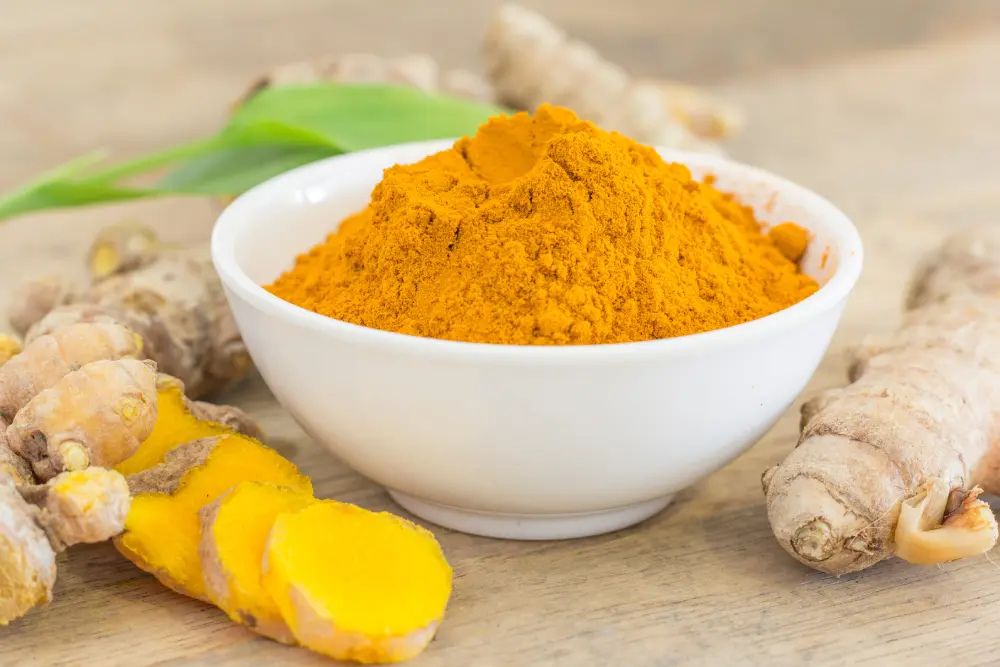
Turmeric powder, known as Haridra in Ayurveda, is one of the most celebrated herbs in the classical tradition. A potent anti-inflammatory, blood purifier, and digestive tonic, it pacifies all three doshas and is used across thousands of Ayurvedic formulations.

Dosha Karma: Tridoshic in balanced use – pacifies Kapha and Vata effectively; may mildly aggravate Pitta in excess due to its heating virya. Best moderated for high-Pitta individuals by combining with cooling carriers such as milk or ghee.
Part of 1 Desi Nuskhe Formulations

Ayurvedic Energetics (Dravyaguna)

Taste (Rasa):
Tikta (Bitter)Katu (Pungent)
Physical Attributes (Guna):
Ruksha (Dry)Laghu (Light)Tikshna (Sharp / Penetrating)
Potency (Virya):Ushna (Heating)
Post-Digestive Effect (Vipaka):Katu (Pungent post-digestive effect)

Standard Therapeutic Dosages

Churna (Powder):1–3 g daily, typically mixed with warm water, milk, or honey
Kashayam (Decoction):50–100 ml of turmeric decoction or 150–200 ml turmeric milk (Ksheerapaka) once daily

Safety & Contraindications

  • Avoid therapeutic doses during pregnancy without professional guidance, as high amounts may stimulate uterine contractions
  • Use cautiously in individuals with bile duct obstruction or gallstones, as it stimulates bile flow
  • May thin the blood – discontinue high-dose supplementation at least two weeks before surgery
  • Avoid in excess with high-Pitta conditions such as acid reflux, stomach ulcers, or severe inflammation, due to its heating nature
  • May interact with blood-thinning medications (e.g. warfarin) and diabetes drugs – consult a physician if on prescription medication
  • Culinary quantities in food are considered safe for most people; therapeutic dosing should be guided by a qualified Ayurvedic practitioner

Botanical Monograph & Clinical Profile

<strong>Turmeric (Haridra)</strong> is derived from the dried, ground rhizome of Curcuma longa and has been central to Ayurvedic medicine for over 4,000 years. It is described extensively in classical texts including the Charaka Samhita, Sushruta Samhita, and Ashtanga Hridayam, where it is praised for its ability to cleanse and purify the blood (rakta shodhana), support the liver, and promote radiant skin. Its primary active compound, curcumin, is responsible for its vivid golden colour and much of its therapeutic potency. Ayurveda, however, views turmeric holistically – as a tridoshic herb that balances Vata, Pitta, and Kapha when used appropriately, though its heating virya makes it most powerfully effective against Kapha and Ama (toxic accumulation). Turmeric is highly versatile in practice – consumed as a churna (powder), decocted in milk (the classical golden milk or Ksheerapaka preparation), applied topically for skin conditions, and used as a fumigant in certain classical protocols. It is also one of the most important dravyas (substances) in Ayurvedic wound healing and post-surgical care.

Documented Therapeutic Benefits

Potent anti-inflammatory – reduces chronic inflammation underlying conditions like arthritis, gut disorders, and metabolic disease
Blood purifier (Rakta Shodhana) – clears toxins and supports healthy skin, liver, and lymphatic function
Supports liver health and stimulates healthy bile production for improved fat digestion
Enhances immunity and helps the body resist seasonal infections
Promotes wound healing and has natural antibacterial and antifungal properties
Aids digestion, reduces bloating, and helps clear Ama (undigested toxins) from the gut
Supports joint health and eases pain and stiffness in musculoskeletal conditions
Promotes clear, glowing skin and is used internally and topically for acne, eczema, and hyperpigmentation
Supports healthy blood sugar regulation and metabolic function

Classical Indications (Roga Ghnata)

Arthritis and joint inflammation (Amavata) – reduces pain and swelling; commonly combined with ginger and black pepperSkin disorders (Kushtha) – used internally as a blood purifier and externally as a paste for acne, wounds, and fungal infectionsDigestive disorders – relieves IBS, bloating, and sluggish digestion; stimulates agni (digestive fire)Respiratory conditions – clears Kapha from the lungs; used in warm milk for coughs, colds, and congestionLiver and gallbladder support – classical hepatoprotective herb used in jaundice and fatty liverDiabetes management (Prameha) – helps regulate blood glucose and reduce insulin resistanceWound care and post-surgical healing – applied topically as an antiseptic paste or taken internally to accelerate tissue repairFemale reproductive health – supports healthy menstruation and reduces uterine congestion