
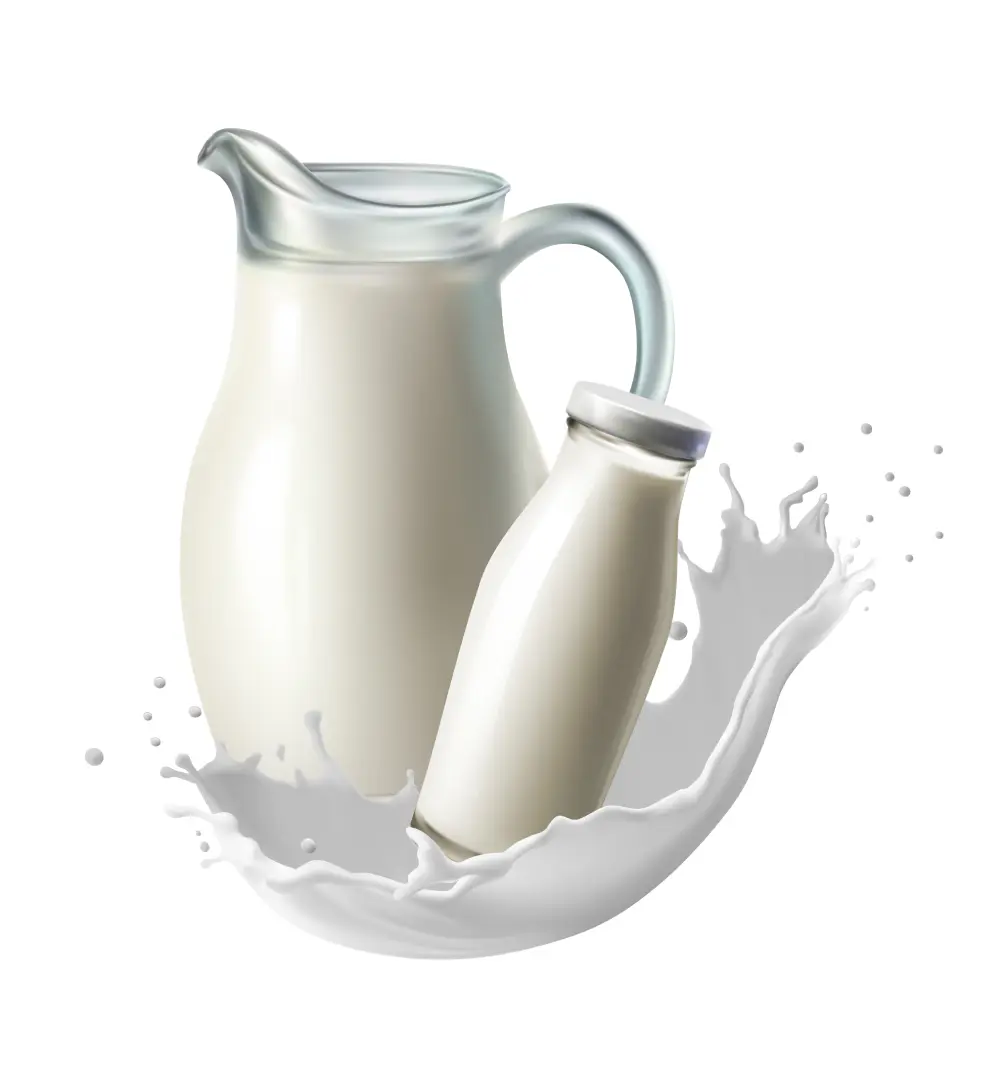
Whole Milk
Whole milk is a nutrient-rich dairy food containing naturally occurring fat, protein, carbohydrates, calcium, and other nutrients. In Ayurveda, fresh milk, particularly cow's milk, is traditionally regarded as nourishing, strengthening, and supportive of healthy tissues when appropriately tolerated.
Ayurvedic Energetics (Dravyaguna)
Standard Therapeutic Dosages
Safety & Contraindications
- •Avoid milk in people with a confirmed cow's milk allergy.
- •People with lactose intolerance may experience bloating, abdominal discomfort, gas, or diarrhea and may need lactose-free alternatives.
- •Use should be individualized in people who do not tolerate dairy products or who have been advised to restrict dairy by a healthcare professional.
- •Whole milk is relatively energy-dense because it retains its natural milk fat; excessive intake may not be appropriate for every dietary pattern.
- •Use properly pasteurized milk and follow appropriate food-safety practices.
Botanical Monograph & Clinical Profile
Whole milk is milk that retains its naturally occurring milk fat and provides protein, carbohydrates, calcium, phosphorus, and several vitamins and minerals. It is commonly consumed as a beverage or used as an ingredient in foods and traditional preparations. In Ayurveda, <em>ksheera</em> (milk) is traditionally described as nourishing and strengthening. It is generally considered supportive of <em>ojas</em> and the nourishment of body tissues when fresh, properly prepared, and suitable for the individual. Cow's milk is the form most commonly described in classical Ayurvedic dietary contexts. Milk may be used alone or as a vehicle for certain Ayurvedic preparations. Individual tolerance varies, and people with milk allergy, lactose intolerance, or other dietary restrictions may need to avoid or modify its use.